
Why We Get More Antisocial As We Age—And What That Really Means
By William E. Smith
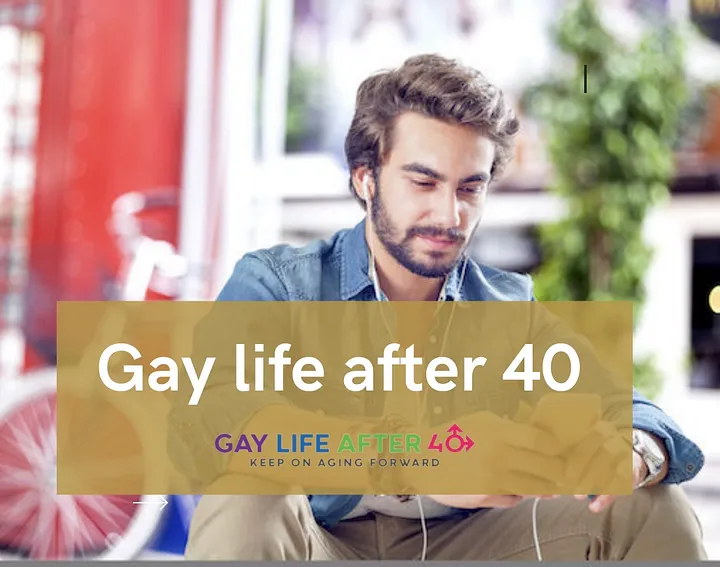
Gay Life After 40
There’s this quiet shift that happens to many of us after 40. One day, we wake up and suddenly feel less eager to go out, less interested in small talk, and far more at peace with staying in with a glass of wine, our thoughts, and maybe a good playlist.
If this sounds familiar, you’re not broken. You’re just evolving. And if you’re a gay man navigating life after 40, this “antisocial” shift may be more common—and more necessary—than you think.
Let’s explore why we pull back, what science says about it, and how it might actually be a form of self-preservation and growth.
1. You’re Not Antisocial, You’re Just Done With the B.S.
In our 20s and 30s, many of us spent years navigating the scene—bars, apps, parties, and friendships that sometimes felt more performative than fulfilling. By the time we hit midlife, we’ve seen the cycles repeat enough to know what’s real and what’s noise.
As psychologist Dr. Laura Carstensen explains in her Socioemotional Selectivity Theory, aging causes us to focus more on meaningful relationships and less on fleeting social experiences. It’s not that we hate people—we just prefer depth over drama.
“As time becomes more precious, we choose quality over quantity in our relationships.”
— Dr. Laura Carstensen, Stanford University
2. The Brain Literally Starts Prioritizing Peace
Science backs this up. Brain scans show that older adults tend to have reduced activity in areas associated with social comparison and negative emotional reactivity. Instead, our brains start favoring feel-good moments and people who make us feel seen—not judged.
For gay men who’ve lived through the constant pressure to stay fabulous, fit, and flirtatious, the brain’s shift is a welcome change. Peace starts to look sexier than the party.
3. Burnout Is Real—and Underestimated in Gay Culture
Many of us have been carrying emotional weight for decades: hiding our truth, losing friends to AIDS, dealing with family rejection, and surviving breakups that never had closure. That kind of psychological mileage adds up.
According to Frontiers in Psychology (2020), chronic stress and burnout can push people into social withdrawal as a coping mechanism. So if your tank feels empty, know that it makes sense.
4. The Digital Disconnect
Sure, the apps let us “connect,” but how many of those interactions actually nourish you? As we age, digital fatigue sets in. Swiping becomes exhausting, and the constant reinvention of our image—profile pics, bios, witty openers—can start to feel hollow.
We begin to crave authenticity, and it often isn’t found through a screen.
5. Solitude Can Be a Form of Healing
For many gay men, especially those who’ve spent a lifetime proving their worth to a society that told them they weren’t enough, solitude can be revolutionary. It becomes a space for healing, reflection, and yes—joy.
Being “antisocial” may actually be the most honest we’ve ever been with ourselves.
When It’s Not Just a Phase
That said, there’s a fine line between healthy solitude and harmful isolation. Studies by the CDC show that prolonged loneliness increases the risk of depression, heart disease, and cognitive decline.
If you’re avoiding people because you feel unworthy, unsafe, or unseen, please reach out—to a friend, therapist, or even an online support group. You deserve connection—but on your terms.
Final Thought: You’re Allowed to Change
If you find yourself skipping Pride weekend for a solo beach trip, canceling that coffee date you weren’t excited about, or deleting the apps in favor of journaling and self-reflection—you’re not failing. You’re evolving.
Midlife for gay men isn’t a crisis. It’s a reset.